

Getting the Heat Right for Mobile Glass Repair
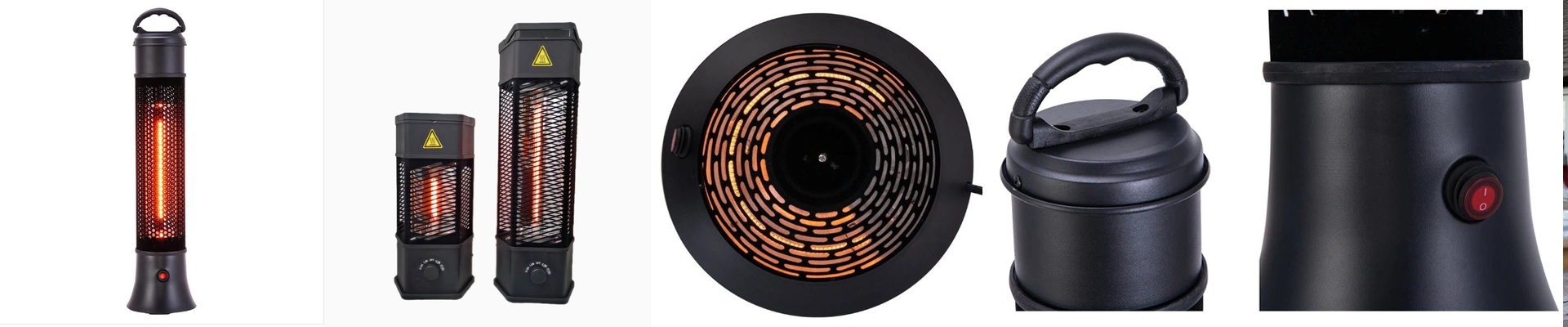
If you’ve ever tried to fix a crack in a piece of glass on the go, you know the struggle. You need intense, pinpoint heat to move the material tension around without accidentally shattering the whole thing. But when you’re building a mobile repair bracket, you’re fighting two big problems: you don’t have much power, and you have almost no room to work with. The power struggle Standard heaters just don’t cut it here. They’re too slow and too bulky. To get that quick jump in temperature inside a tiny chassis, we use shortwave infrared (SWIR) elements. Specifically, high-watt-density quartz tubes. They basically squeeze all that energy into one tight beam. Now, you can’t just slap an industrial 220V heater into a portable kit. It’ll fry your gear. We’ve tuned the voltage to play nice with the DC-to-AC converters most field techs use. This means when the lamp kicks on, you don’t have to worry about the power supply tripping the moment it hits operating temp. Dealing with the heat (and the hardware) Since the lamp sits just inches away from the glass, things get hot. Fast. To keep the housing from literally melting, we put reflective coatings on the back of the element. It pushes the heat forward toward the glass and keeps the internal wiring from cooking. We also use reinforced quartz because the rapid heating and cooling would crack cheaper glass in no time. Then there’s the wiring. Small connectors are a nightmare. We use low-profile terminals to save space, but you have to be careful with the wire gauge. If the wire is too thin, it starts acting like a heating element itself. That’s a quick way to melt your insulation and end up with a dead tool. Out in the field When this is all set up, a tech can hit a crack with exactly the right amount of stress to get a clean break or cure the resin perfectly. But there’s a catch. Because the heat is so concentrated, you have to be precise. If you leave the heat on for just a few seconds too long, the glass expands too much and—snap—you’ve got a bigger problem than you started with. Timing is everything.