
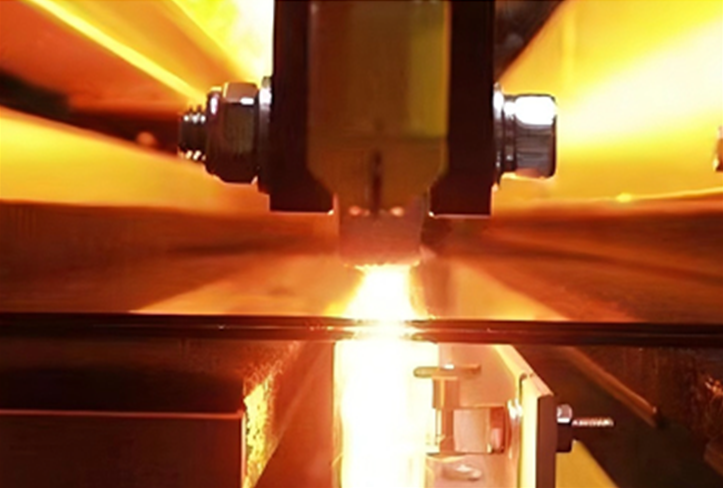
Getting Your Voltage Right for High-Gloss Glass Dryers
When you’re chasing that perfect, mirror-like finish on glass, the heat has to be spot on. If it’s off by even a little, you end up with bubbles or weird shrinkage patterns that ruin the whole piece. We build our infrared lamps to nail those temperatures, but here is the real headache: the power grid.
The Voltage Headache: 110V to 575V
Most off-the-shelf lamps just can’t handle a move across borders. Imagine taking a dryer spec’d for 110V in the States and plugging it into a 480V or 575V industrial line. It won’t just fail—it’ll blow out instantly. We fix this by tweaking the tungsten filament and the quartz envelope to match whatever power you’ve got on the wall. Whether you’re running a small shop on 110V or a massive plant in Canada or Europe on 575V, we adjust the internal resistance. This means the lamp hits the wattage it needs to without you having to lug around those massive, clunky transformers that eat up your floor space and waste energy.
The Trade-offs
Running at 480V or 575V has its perks. You can push more power through the tube with less current, which is great for your wiring and stops the voltage from dropping over long cable runs. But it’s not all sunshine. Higher voltage puts a lot more stress on the connectors and the ends of the lamp. If your wiring is loose, you’ll see arcing. It’s a mess. You’ve got to make sure your sockets are actually rated for that voltage, or you’re going to end up melting your housing.
Making it Work Everywhere
We make replacements that just slide right into your existing setup. We match the length and the connectors to your local voltage, so you can swap out a lamp without having to tear apart and redesign your entire heating bank. You get the same heat and the same curing speed, no matter where in the world your factory happens to be.