Stop Waiting on OEM: Get Your Glass Line Moving Again
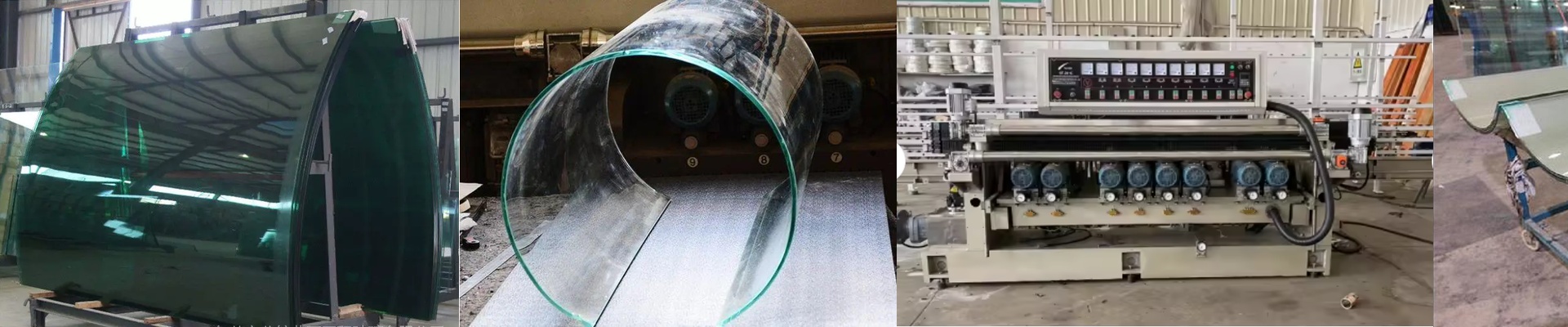
There is nothing worse than a production line sitting dead because a few OEM parts are out of stock. It’s frustrating, it’s expensive, and it kills your momentum. That’s why we do things differently. We engineer drop-in replacement infrared lamps that get your batch furnaces humming again in about 7 days. No long waitlists, no corporate runaround.
Getting the Heat Right
When you’re working with high-temperature glass, it all comes down to how much power you can cram into a small space. If you need rapid melting or shaping, you need intense heat density. We build these lamps to fit your specific setup—whether you’re running a standard 230V or a heavy-duty industrial 400V system. **One quick heads-up, though:**double-check your power supply before you order. A 2500W tube puts out a massive amount of heat. If your machine’s cooling system can’t handle that load, you’re just going to fry your sockets. Not a great way to start the day.
The Nitty-Gritty: Materials and Fit
We use high-purity quartz glass because it doesn’t freak out when the temperature swings wildly. Depending on what you’re heating, we can add specialized coatings to the tube. This makes sure the energy actually sinks into the glass rather than bouncing right off the surface. As for the fit? We stick to the basics that work, like R7s or Sk15 connectors. The goal is simple: you should be able to wire the lamp up and slide it right into the existing housing. You shouldn’t have to pull out a blowtorch or a drill to modify your machine frame. We keep these bases in stock so we can ship them out faster.
Making it Work in Your Furnace
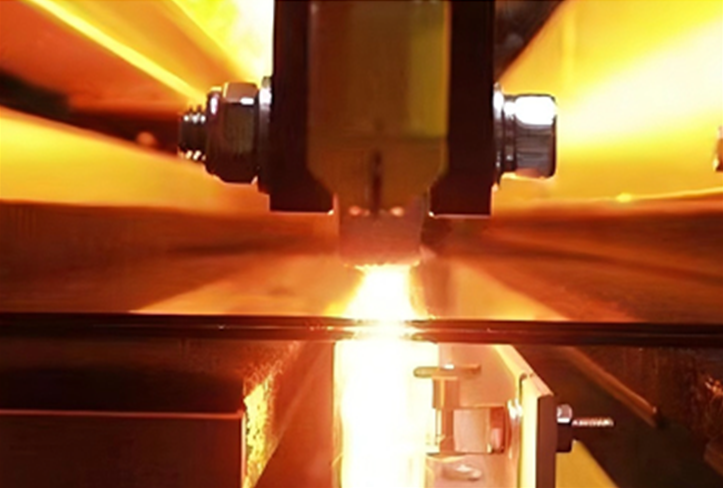
These lamps do the heavy lifting for localized heating. Since we customize the length and power, the heat profile feels exactly like the original part you’re replacing. But here’s the thing about short-wave IR: it’s aggressive. It heats up fast—really fast—but that intensity can create “hot spots” if the lamp is sitting too close to the glass. When you’re installing it, just take a second to verify the focal distance. It’s a small step, but it’s the difference between a perfect finish and an overheated mess.