Getting the Balance Right: Silk-Screening and Glass Tempering
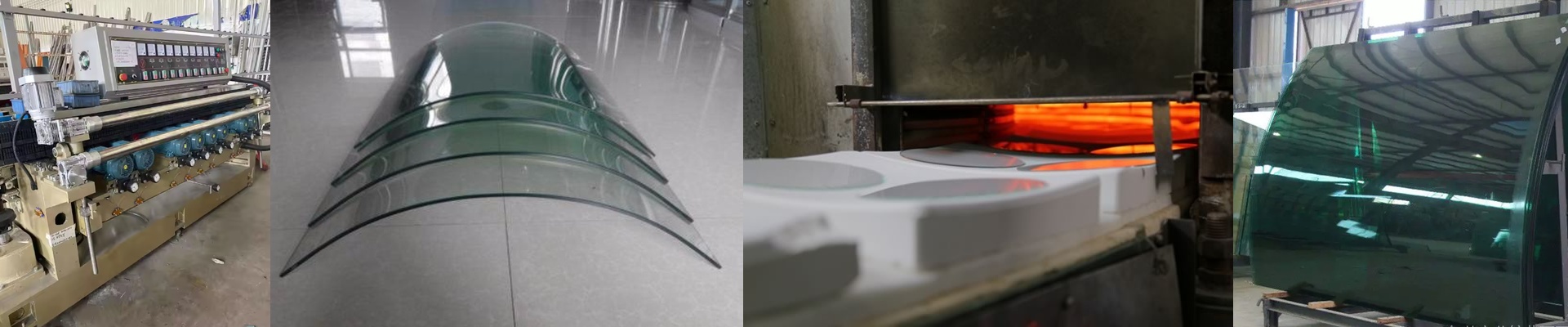
Here is the struggle when you try to combine silk-screening with tempering: you’re basically fighting a war of physics. You need the glass to get hot enough to soften and stress properly, but if you push too hard, you’ll burn or blur your ink. It’s a tightrope walk. We handle this by using infrared (IR) heating banks that are tuned just right.
Keeping Your Patterns Sharp
The biggest headache is “bleeding.” You know the look—where those crisp edges of your design start to smear. That happens when the heat ramps up too fast and the volatiles in the ink expand violenciay. To stop that, we use shortwave IR lamps. They dive deep into the glass quickly. This lets us hit those high tempering temperatures without cooking the surface where the ink actually lives. But you can’t just throw lamps at the problem. You have to match the lamp density to the thickness of your glass. Too many lamps in one spot? You’ll scorch the ink. Too few? You’ll never hit the quenching temp in time, and you’re wasting your day.
Strength and the “Zebra” Problem
Consistency is everything here. If you have cold spots in your heating zone, the glass will bow or just shatter during the quench. It’s frustrating and expensive. To fix this, we stagger the IR emitters. This kills off those annoying “zebra stripes” you sometimes see on the glass. And don’t overlook the wiring. You need a steady wattage. If your voltage drops across a long bank, your heat becomes uneven. When the power fluctuates, your breakage rate goes up. Simple as that.
The Trade-offs
Now, high-intensity IR arrays are great for speed. If you’re running a high-volume line, they’re a lifesaver. But they put a massive strain on your cooling. You can’t just crank these things to the max without a heavy-duty exhaust system to pull the heat away from the machine frames. If the frame warps from the heat, your lamps shift. Once that happens, you’ll start seeing heat streaks on every single sheet of glass coming off the line.